How to Clean Candle Making Equipment
This is probably everyone’s least fun aspect of candle-making. After testing new fragrances, molds, waxes, or colors, you may be left with dirty pitchers, leftover wax, spilled fragrance on your scale, or a wax-covered mixer and piping bag (if you’ve made whipped wax). We’ve all been there.
The good news is that cleaning candle-making equipment doesn’t have to be difficult. If you clean your tools while the wax is still warm, the whole process takes less time and effort.
In this guide, you’ll learn simple ways to clean your candle-making equipment, remove stubborn wax, and keep your supplies in great condition for your next candle-making session.
Why It’s Important to Clean Your Equipment
Cleaning isn’t just about making your workspace look nice.
Old wax, leftover fragrance oils, and dye residue can affect your next batch of candles. Even a small amount of leftover fragrance can change the scent of a new candle, sometimes in surprising ways.
A clean set of tools not only lasts longer but also makes every candle-making session smoother and more enjoyable.
How to clean a candle pitcher?
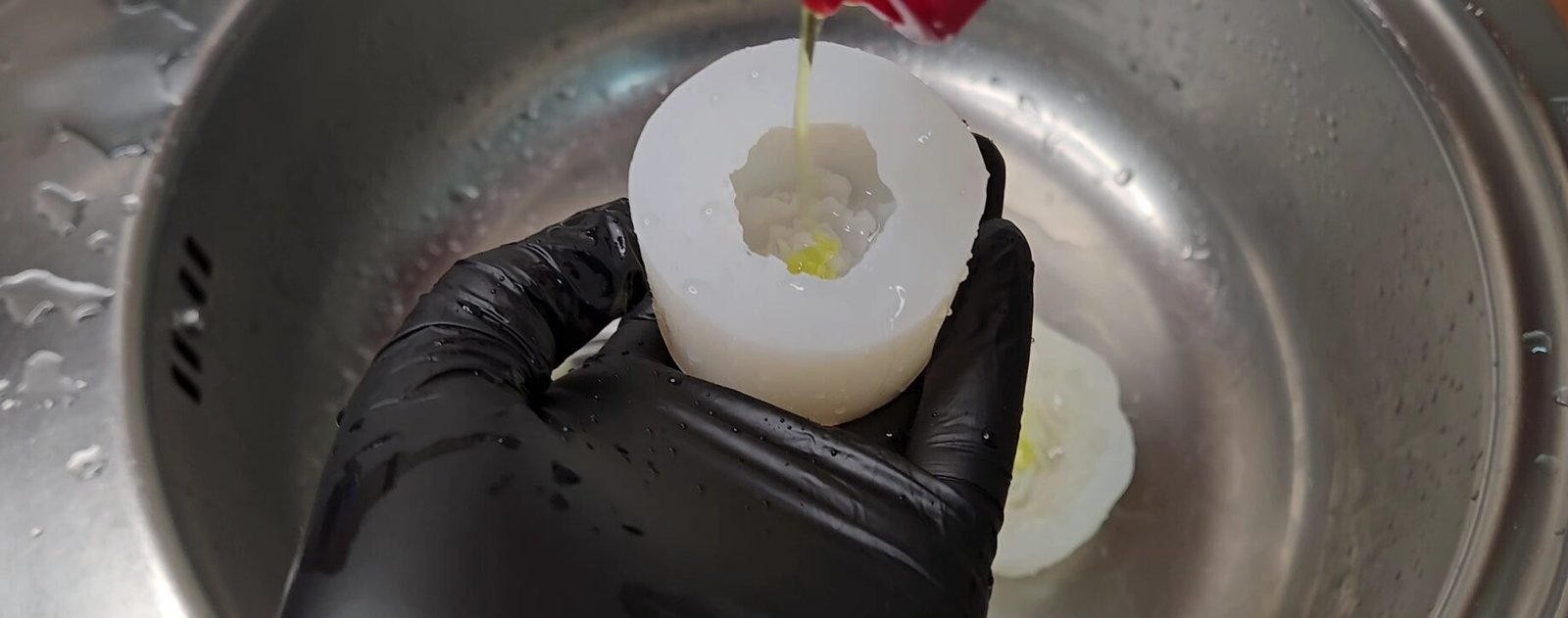
Never pour melted wax down the sink. While it might seem harmless, your pipes won’t thank you for turning them into a candle mold. Instead, use up leftover wax or pour it into a silicone mold to save for future projects.
What You’ll Need
Most of the time, you don’t need any special cleaning products.
Here’s what works well:
- Paper towels/toilet paper
- Soft cloth or microfiber towel
- Hot/boiling water
- Dish soap
Method 1
The quickest way is to wipe the hot wax residue from your pitcher with tissue paper, then scrub it with hot or boiling water and dish soap. Wipe your pitcher with a microfiber cloth to dry. Keep in mind that for this method, your wax needs to be hot. If you want to focus on finishing your candles first, the wax in the pitcher will already have cooled down. But you can easily reheat it. You can use the stove for this, a microwave if your pitcher isn’t metal, or a heat gun, although that will take you quite some time.
Method 2
If your wax residue has already cooled, use hot or boiling water in the pitcher. Leave it for a minute or two, then empty the water and quickly scrub the pitcher with plenty of dish soap while the wax and pitcher are still hot. If the pitcher is not clean after this, repeat the process. Wipe your pitcher with a microfiber cloth to dry. Use this method when the wax is already cool. The downside is that you have to wait for the water to heat up and scrub thoroughly to remove all the wax.
You can also use these 2 methods to clean silicone spatulas, steel utensils, stirring spoons, and glass containers.
Quick tip for metal utensils: put them in boiling water for a minute, then wipe them dry with a cloth as soon as you take them out. I use this method for wick holders, thermometers, and stirring spoons.
How to clean silicone candle molds?
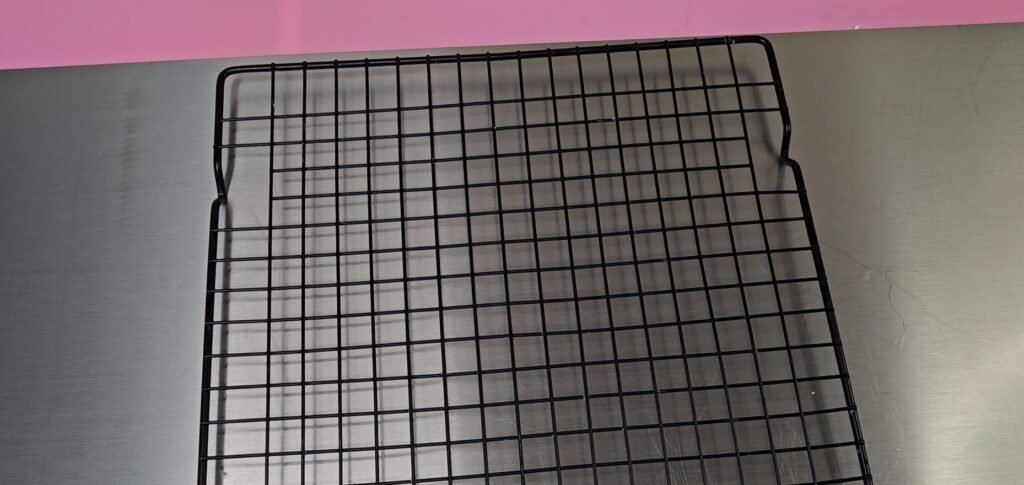
After you demold your candle, there is rarely any wax left unless it broke off, which happens often with delicate flower molds. However, your mold is not clean. If you reuse it, your new candle may have white streaks, so always wash molds after use, no matter how clean they look. To clean them, use hot water and dish soap. First, run the mold under hot water to wet it. Then pour in some dish soap and massage the mold with your fingers. Do not use an abrasive sponge. Rinse thoroughly to remove all soap, then leave the mold upside down to dry. I use a rack like this, although it’s not essential:
How to clean fragrance oil measuring cups?
The best material to use as your measuring cup is glass. Glass doesn’t absorb fragrance, it’s easy to clean, and it won’t hold onto scents from previous batches as silicone cups do.
Use tissue paper to wipe off any excess fragrance oil, then wash the cup with plenty of dish soap.
One important tip: never pour leftover fragrance oil or essential oils down the drain. Many fragrance ingredients can be harmful to aquatic life, and oils can also cause problems in plumbing systems.
Small amounts absorbed into paper towels can usually be disposed of with your household waste, but larger quantities of unused fragrance oil should be taken to a local household hazardous waste collection facility. Disposal rules vary depending on where you live, so it’s always worth checking your local guidelines.
If you sell candles as a business, following your local waste disposal regulations isn’t just good practice, it’s often a legal requirement.
How to Clean Your Workspace
Before you start making candles, it’s always a good idea to give your workspace a quick wipe-down, especially if you haven’t used it in a few days. Dust can settle surprisingly quickly, and the last thing you want is for it to end up in your freshly poured candles.
Protecting your work surface is just as important. Melted wax and fragrance oils can be difficult to remove from kitchen countertops, so I always recommend using a protective cover.
My favorite option is a silicone mat like this:
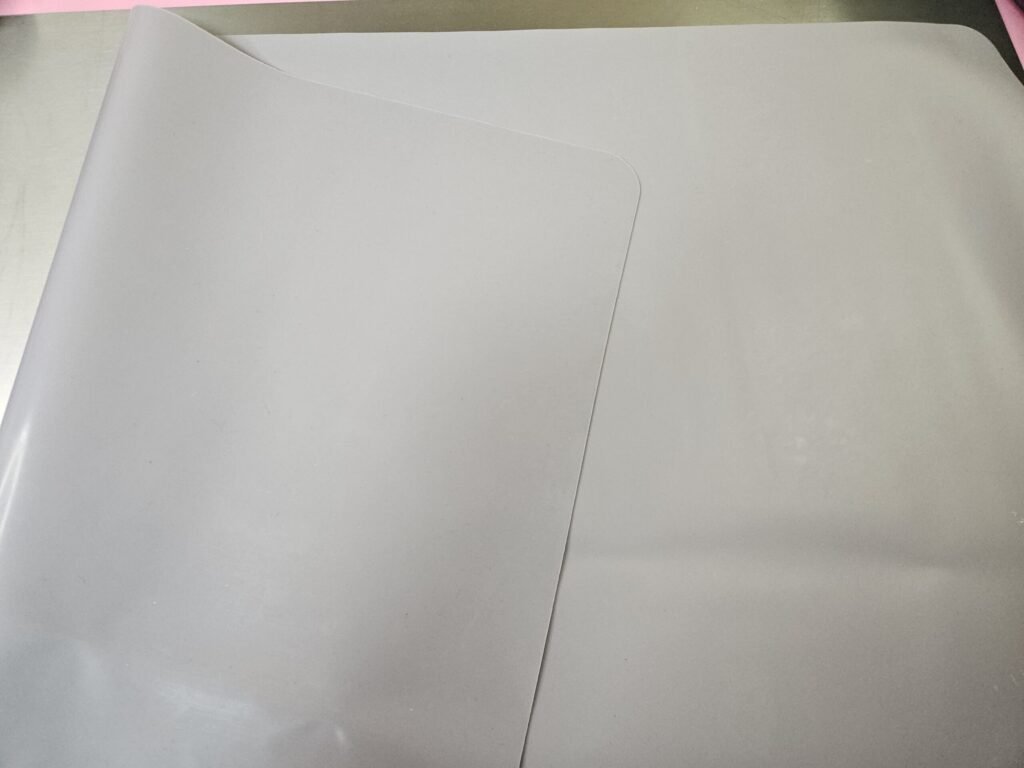
Silicone mats are affordable, reusable, and make cleanup incredibly easy. If you spill wax, simply let it cool completely, then use a butter knife or plastic scraper to lift it off. Larger spills often lift off in one satisfying piece, and if the wax is clean, you can even melt it down and use it again.
The downside of a silicone mat is that dust tends to stick to it, so it’s worth giving it a quick wipe before each candle-making session. Also, if you use liquid candle dye, it will be tough to remove the stain from the mat.
Another great option is a stainless steel countertop cover.
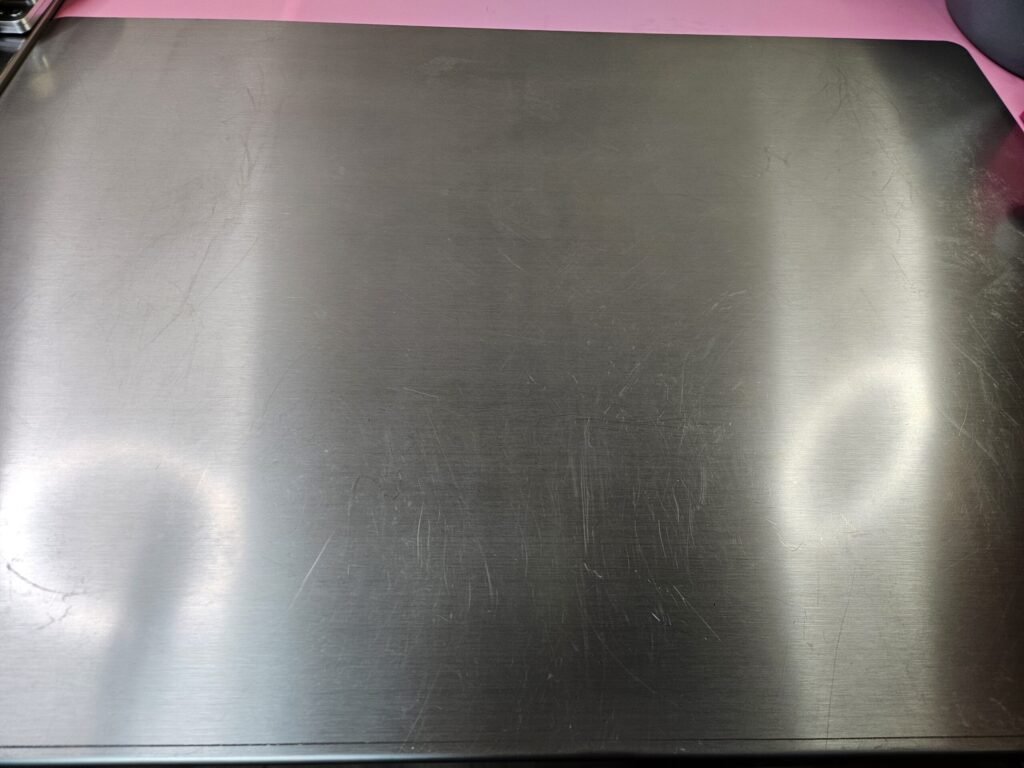
Although not very aesthetic-looking (especially after a few scratches), these are durable, easy to wipe clean, and provide excellent protection for your work surface.
If you decide to turn your candle-making into a business, you could eventually invest in a stainless steel worktable. I would still use a silicone mat over it because it is way easier to clean up wax spills on the mat, and it protects the table from scratches. It’s one of those small additions that doesn’t seem essential at first, but after cleaning up a few batches of candles, you’ll probably wonder how you ever worked without it.
Cleaning Digital Scales
Never pour water directly onto your scale.
Instead:
- wipe it with a damp microfiber cloth
- remove any wax flakes
- clean fragrance oil spills immediately
Keeping your scale clean helps ensure accurate measurements. What keeps my scale always protected from fragrance oils is this little steel cover on top:
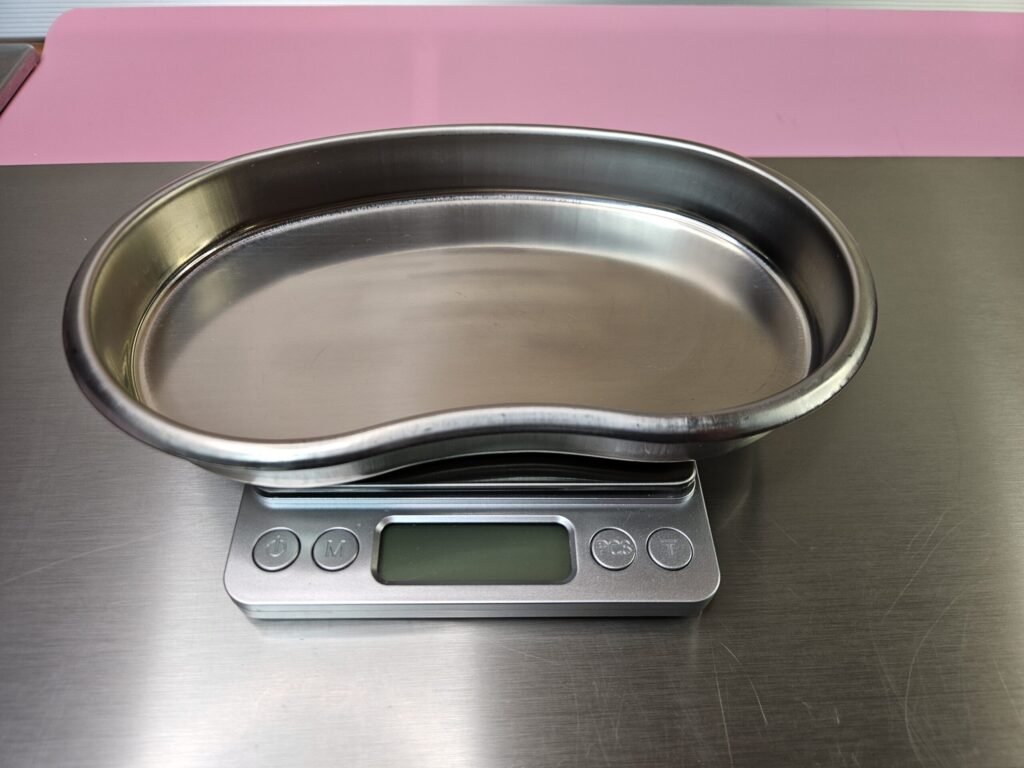
It saves me a lot of time cleaning the scale (and potentially ruining it).
Storing Clean Equipment
Once everything is clean and dry, store your supplies in a dust-free place.
You can use plastic storage bins or drawers to keep everything organized and dust-free.
Summary
Always use up all the wax in your candle before cleaning. Paper towels, hot water, and dish soap are your best friends. Protect your countertops with a silicone mat or a steel cover.